
Leukemia in Children
When a child has a leukemia, a family's world can come to a screeching halt. At SSM Health Cardinal Glennon Children’s Hospital, we help your family navigate this journey, providing your child the expert care and support needed to heal and cope with the challenges of treatment.
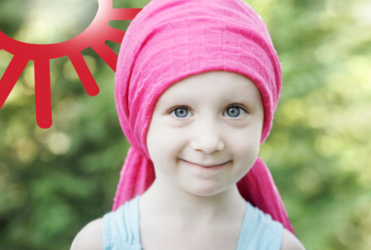
Pediatric cancer care is at its best at SSM Health Cardinal Glennon Children's Hospital where academic knowhow and passion for pediatric care meet.

Learn about the state-of-the-art care provided by the pediatric oncology team at SSM Health Cardinal Glennon Children's Hospital.
Did you know? Leukemia is the most common cancer in children and teens, accounting for about 1 out of 3 pediatric cancers. Thanks to advances in medicine, most children with leukemia survive the disease and go on to live full lives.
The SLUCare Physician Group hematology-oncology team at SSM Health Cardinal Glennon Children's Hospital specialize in providing compassionate, complete care for children with leukemia. Taking an integrated approach, we offer state-of-the-art treatment and follow-up care - all in a child-friendly environment that puts the needs of your child first.
What are the signs and symptoms of leukemia?
Symptoms of leukemia can often resemble other blood disorders or medical problems. That’s why it’s important to consult with your child’s doctor immediately if you detect any common signs of leukemia, including:
- Recurrent infections
- Anemia
- Bleeding
- Bone and joint pain
- Abdominal pain and distress
- Swollen lymph nodes
- Difficulty breathing
What are the different types of leukemia?
- Most childhood leukemias are acute lymphocytic leukemia (ALL).
- A majority of the remaining cases are acute myeloid leukemia (AML).
- Chronic leukemias (CML) are rare in children.
With ALL or AML, symptoms may occur suddenly, in a matter of days or weeks. With chronic leukemia CML, symptoms may develop slowly over months and even years.
How is pediatric leukemia diagnosed?
If a doctor suspects your child has leukemia, our team will conduct specific tests to determine the cause of the symptoms. In addition to a physical exam, your child’s doctor may run:
- Blood tests
- A bone marrow test
- A spinal tap (to test the cerebrospinal fluid)
- A biopsy of the lymph nodes.
If leukemia is found, further testing will be needed to determine the type and how it should be treated. Early diagnosis greatly improves the chances of a successful outcome.
How is leukemia in children treated?
At SSM Health Cardinal Glennon Children's Hospital, we use genetic profiling for individual treatment to better respond to your child’s specific case. No matter your child’s condition, we help you navigate this challenging time and offer the best treatment options, including:
- Chemotherapy - first line of treatment for most common types of childhood leukemia
- Intrathecal therapy – used to protect a child’s nervous system during chemotherapy
- Blood and marrow (stem cell) transplant* – recommended when chemotherapy hasn’t led to remission
- Radiation therapy – used when appropriate
- CAR-T therapy - used when patient is eligible
*The stem cell transplant program at Cardinal Glennon Children's Hospital maintains one of the highest survival rates among similarly sized centers.
Did you know? For children receiving prolonged treatment, our facilities provide a comfortable and friendly environment with a staff solely focused on their wellbeing.
What is CAR T-cell therapy?
SSM Health Cardinal Glennon Children’s Hospital now offers CAR T-cell therapy for eligible children, adolescents and young adults up to the age of 25 diagnosed with acute lymphoblastic leukemia (ALL). CAR T-cell therapy is a type of immunotherapy that enhances T-cells to help the body fight cancer cells and is not the right treatment for every patient.
What will it be like for my child to recover from leukemia?
Because of innovations in treatment, the survival rate of children with leukemia is well over half of all cases. While each case varies depending on the child’s prognosis, immediate and aggressive therapy provides the best outcome.
Treatment involving chemotherapy and radiation can continue for months to years. Throughout this journey, we provide your family the continuous follow-up care necessary to fight the disease. We help you cope with the effects of treatment, offering spiritual and mental support in addition to programs we have developed to improve your child’s overall health.
With the right care, your child is likely to return to their normal activities and live a full life. In the case of recurrent cancer, your child might be able to participate in clinical trials and the newest treatment medications.