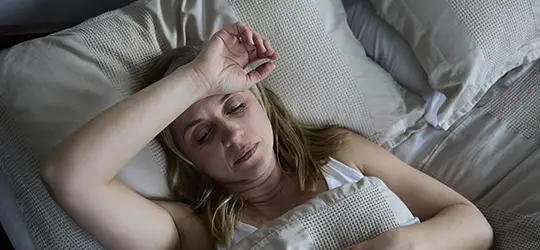
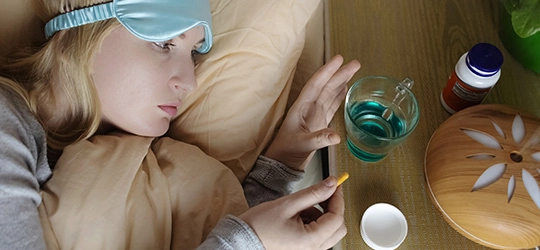
From hot flashes and headaches to brain fog and body soreness, menopause can be rough for many women. Symptoms usually begin in our forties and can last well into our fifties and sixties. Lisa Peterson’s symptoms began around her 50th birthday and nighttime was the worst.
“I had terrible night sweats and was waking up multiple times during the night,” said Lisa. “Because I was getting up during the night to change clothes due to sweating, I lost a lot of sleep which affects most of your daily activities. I felt tired during the day, had brain fog and more body aches than usual.”

Sarah Block, APNP, says Lisa’s symptoms are common.
“Unfortunately, there is no blood test to let us know how severe or when you’re going to experience menopause,” says Block. “It can be a very distressing time. Most women can have mild symptoms, some will have symptoms for a few months, others can have life-altering symptoms that can last 10 years or more.”
What are the symptoms of menopause?
Common menopause symptoms include:
- palpitations
- anxiety
- changes in mood – such as low mood or irritability
- changes in skin conditions, including dryness or increase in oiliness and onset of adult acne
- sleep disturbance
- night sweats
- discomfort during sex
- vaginal dryness
- headaches or migraines
- hair loss
Relief for menopause symptoms
A lot of women think menopause is just part of life and they must endure whatever it brings, but Block says that’s not true.
“It’s an expected part of the aging process, but luckily, we have very effective treatments namely hormone replacement therapy,” notes Block. “We know that hormone replacement therapy is very safe. There was a study done about 20 years ago that put a lot of fear into providers and women that it causes breast cancer. We now know that study was done very poorly and there is no increased risk of breast cancer unless you’ve been taking hormone replacement therapy for more than five years and even then, the risk is still low.”
Hormone replacement therapy was the answer for Lisa. She told her medical provider about her symptoms and was happy to finally experience relief.
“I started using a small estrogen patch and it has helped tremendously!” said Lisa. “My night sweats have all but disappeared. The patch, which is replacing hormones, is very easy to use. You put it on every three and a half days and get your energy – and your sleep -- back.”
Block says the perfect time to talk to your provider about menopause is when you start experiencing symptoms.
“The earlier we catch it, the better off you’ll be, and you’ll enjoy a better quality of life. We treat based on symptoms and the root cause which is the depletion of hormones,” says Block.
For vaginal dryness, Block recommends products like moisturizers and lubricants specifically formulated for the issue. Stress reduction can reduce the severity and frequency of hot flashes. Block adds that a healthy diet and exercise program can also help ease symptoms.
Watch Sarah Block, APNP, talking about menopause on a recent television interview on Madison, Wisconsin’s ABC affiliate, WKOW.
For women who do not need or choose not to take hormone replacements, there are additional recommendations to maintain health during and after menopause. Schedule an appointment online to speak to an SSM Health provider for the best advice in how to navigate menopause.