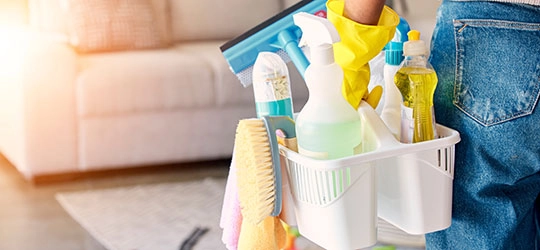
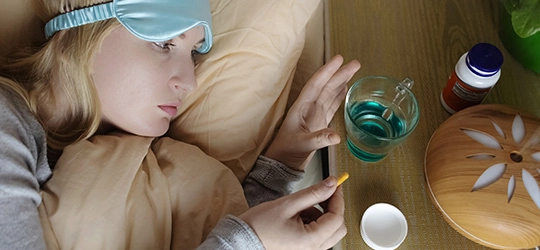
As we continue to deal with influenza season, which typically lasts until May, maintaining a clean and germ-free home is more important than ever.
“Disinfecting after an illness is crucial to prevent the spread of germs and ensure a healthy environment for your family,” said Dr. Christopher Harkin, an Urgent Care physician at SSM Health.
Dr. Harkin provides some steps you can follow to keep your home safe and clean:
Clean and disinfect high-touch surfaces
Focus on areas like doorknobs, light switches, drawer handles and stair rails. Use disinfecting wipes or sprays and follow the manufacturer's instructions to ensure effectiveness. “High-touch surfaces are hotspots for germs,” Dr. Harkin explained. “Regular cleaning can significantly reduce the risk of spreading illnesses.”
Vehicles
If you or a family member were in the car while sick, be sure to clean and disinfect commonly touched surfaces there, too. These include the steering wheel, door handles, navigation screens, seats and seat belts.
Bathrooms
Thoroughly clean and disinfect the toilet, faucet handles and other hard surfaces. Wash all the towels and bathmats. Don’t forget often overlooked areas, such as toothbrush holders, tissue box holders and doorknobs. Dr. Harkin also suggests replacing your toothbrushes to avoid any lingering germs.
Kitchen
“The kitchen is the heart of the home, but it can also be a breeding ground for germs,” Dr. Harkin said.
Wash all dishes in hot soapy water or use the hottest setting on your dishwasher. Disinfect countertops, refrigerator handles, knobs and electronic keypads on appliances.
Clean and disinfect bedrooms
Aside from washing bedding, clean and disinfect hard surfaces like doorknobs, light switches, bedside tables, bed frames and drawer handles. Vacuum carpeted floors and sweep and mop hard flooring after someone has been sick.
If a child was recently sick, clean and disinfect their toys. Soft toys can be machine-washed in pillowcases, while hard toys can be cleaned with soap and water and then disinfected.
What to look for in disinfectants
- EPA registration number: Look for an EPA registration number on the label to ensure the product meets government standards for effectiveness.
- Active ingredients: Common effective ingredients include sodium hypochlorite (bleach), ethanol, isopropyl alcohol, hydrogen peroxide and quaternary ammonium compounds (quats).
- Contact time: Check the label for the required amount of time the surface needs to stay wet with the disinfectant to effectively kill germs.
- Surface compatibility: Some disinfectants can damage certain materials, so be sure the disinfectant is safe to use on the surfaces you plan to clean.
- Safety: Review the instructions for proper use and storage. Also, wear rubber gloves and a mask when using harsh chemicals, and always keep out of reach of children and pets.
- Spectrum of efficacy: Choose a disinfectant that is effective against a broad range of pathogens, including viruses, bacteria and fungi.
By following these steps and choosing the right disinfectants, you can help protect your family from the spread of influenza and other illnesses. If you feel unwell and need to see a doctor or would like to get updated on vaccines, head to primary care or a SSM Health Urgent Care or Express Clinics.