Hiking is a great option for families to get some exercise and bond, but it’s very important to know what areas to avoid when exploring.
Accidentally coming into contact with poisonous plants can ruin a day’s fun, cause lots of discomfort, or sometimes lead to more serious problems.
“Summer is the perfect time to enjoy all that nature has to offer, but it’s important to keep safety in mind and know what plants to avoid,” said SSM Health Family Medicine Provider Susan Baird.
Examples of plants to avoid include:
- Cow Parsnip: This plant can cause skin irritation, rash, blisters, and skin discoloration. It is usually 4-10 feet tall, with stems that are fuzzy and grooved.
- Wild Parsnip: This plant has yellow flowers. Touching wild parsnip can cause skin irritation, rash, blisters, and skin discoloration. This plant is usually 2-5 feet tall.
- Queen Anne’s Lace: This plant can cause irritation to those with sensitive skin, but no reaction in others. It is usually 1-2 feet tall, with fuzzy stems.
- Nettle: This plant isn’t toxic, but it is covered in hairs that can cause lesions and pain if touched.
- Poison Hemlock: All parts of this plant are poisonous for people and animals. The plant is usually around 3-8 feet tall, with hairless stems that have ridges and purple spots. Consuming any part of this plant can be lethal.
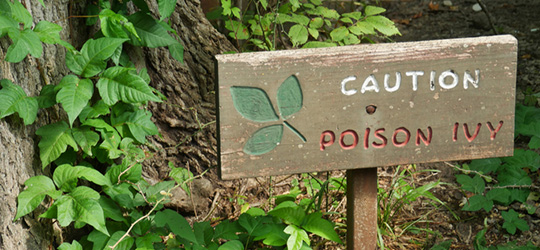
- Poison Ivy: This plant can grow as a vine or a small shrub that climbs on plants, trees, and poles. Each leaf has three leaflets, with edges that are either smooth or toothed. Touching can cause skin irritation.
- Poison Oak: This plant grows as a shrub or in tall clumps. It has fuzzy green leaves in clusters of 3, that are lobed or deeply toothed. Touching can cause skin irritation.
- Poison Sumac: This plant can grow as a tall shrub or a small tree. Each leaf has clusters of smooth-edged leaflets. There may be yellow-green flowers or white-green fruits that hang in clusters. Touching can cause skin irritation.
“If people do come into contact with a poisonous plant, it’s important to avoid scratching and to reach out to their primary care provider with any concerns,” Baird said. “In case of trouble breathing or another emergency, dial 911.”
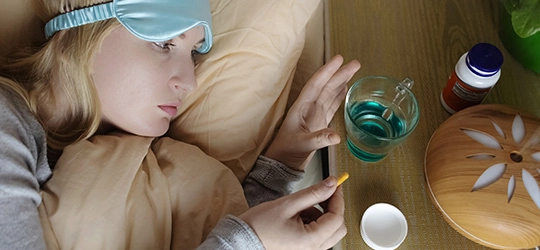
Typically, the effects of coming into contact with a poisonous plant can be relieved by using a wet compress or soaking in cool water, and using over-the-counter topical treatments to relieve itching.
Individuals should reach out to their primary care provider for guidance if they have any questions, develop a fever, have pus or tenderness with the rash, the rash is spreading or widespread/severe, or doesn’t show improvement with over-the-counter remedies.
The U.S. Fish and Wildlife Service catalogs plants found throughout the United States. To look up additional information by state, visit their website.