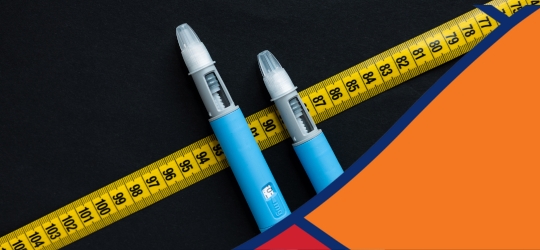
Did you know that numerous GLP-1 medications have been approved by the FDA for pediatric patients age 12 and older? GLP-1 medications can be used in select cases to assist with weight management, offering avenues for pediatric specialists to support their patients, especially those with multiple coexisting health conditions.
The Healthy First Program at SSM Health Cardinal Glennon Children’s Hospital has integrated these medications as a part of some patients’ treatment plans, showing promising results and outcomes. Despite the potential benefits of GLP-1’s in certain cases, myths and misconceptions continue to circulate around how these medications work, leading parents to question safety and potential side effects.
Dr. Rahiya Rehman, a board-certified pediatric gastroenterologist and obesity medicine specialist with the Healthy First Program, explains these myths, what we know about how GLP-1 mediations can support patients, the limitations of these medications, and how the Healthy First Program takes a comprehensive, multidisciplinary approach to supporting pediatric patients’ health goals.
"Social media has perpetuated a lot of misconceptions around GLP-1 medications," said Dr. Rehman. "The most common one I see is concerns around gastroparesis or stomach paralysis." Dr. Rehman says that gastroparesis may sound scary, but delayed gastric emptying is actually part of how these medicines work, and it is not the same as gastroparesis. Slower stomach emptying is expected with GLP-1 medications, and for most patients, the change is modest.
In studies, these medicines slowed how fast food leaves the stomach by about 36 minutes on average, though the delay can vary. This helps people feel full faster and stay full longer. GLP-1 medications also work in the brain to reduce hunger and appetite by activating satiety centers in the hypothalamus and brainstem. Because of this, people often eat less food and have an easier time controlling portion sizes, which can help them lose weight.
In studies with teens who have obesity, GLP-1 medicines like semaglutide helped reduce body mass index (BMI) by about 16.1% which is considered a healthy and meaningful change. Clinical studies show that these medicines work best when people also make healthy changes, like eating better and being active.
"When used alongside healthy lifestyle changes, such as diet and exercise changes, noticeable weight loss within the first few weeks can encourage young patients to maintain those healthy changes in the long term, even if the overall rate of weight loss slows over time," explained Dr. Rehman. "The most important thing is developing a healthy lifestyle and healthy habits. Our multidisciplinary team ensures that patients and families are supported so that they can live their best lives."
The Healthy First program is committed to helping children and families reach their health goals through comprehensive care, from expert gastroenterologists, to counseling, to nutrition services. The team at SSM Health Cardinal Glennon Children's Hospital always places compassionate, evidence-based care at the forefront.