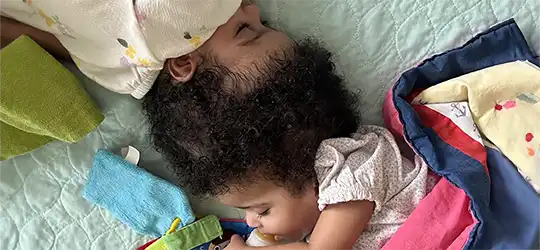
Coping with the death of a loved one when you’re a child is extremely difficult. Since children have the capacity to understand more than we sometimes give them credit for, it’s important to give them respect, compassion, and honesty. Let your child know it’s okay to feel sad and that their feelings are valid. With any death of a loved one, children can experience increased anxiety, emotional isolation, loss of social interest, and feelings of helplessness. It’s difficult to think of all the special moments they’ll miss.
Be developmentally appropriate
Very young children may regress; they might wet the bed or slip back into baby talk. Young children often don’t realize that death is permanent and think their loved one could come back. They believe death is temporary and reversible; this misperception is reinforced by cartoon characters who die and come to life again. While children understand death is bad, their brains can’t grasp the concept of forever. Also, don’t use euphemisms like “went to sleep.” This can cause young children to become afraid of bedtime.
Older, school-age children understand the permanence of death, but they may still have many questions. Answer them as honestly and age-appropriately as possible so they can develop healthy coping skills.
If faith is part of your life, express it in ways that seem applicable to you. During this challenging time, your family may find comfort and hope in reading spiritual texts, attending religious services, or praying. The idea of an afterlife can be very consoling to a child. Even if you aren’t religious, you can still calm your child by telling and showing them that a person will always live on in their heart and mind.
Five ways to help your child:
- Give them time and let them know that, with time, feelings of loss will lessen, but their love won’t. Healing doesn’t mean forgetting; it means remembering the person with love.
- Keep your child’s routine as normal as possible, depending on how they’re feeling on a particular day. Picking up and recognizing nonverbal cues can help you decide.
- Help them express their feelings by providing books, pictures, or stories of the person who died. This encourages dialogue and allows children a safe space to express their feelings.
- Practice patience and respond to your child’s uncertainty and concerns. Just like adults, they will feel depressed, guilty, anxious, or angry.
- Get help when needed. If your child’s distress becomes concerning, talk with your child’s pediatrician.
Once children accept the death, they’re likely to display their feelings of sadness on and off over a prolonged period, especially around special times such as birthdays and holidays, but also at unexpected moments. Remind children they should express their feelings openly and freely and that you’re always available to listen.
Don’t ignore your own grief as an adult. Children often imitate the grieving behavior of their parents and/or caregivers. It’s important not to hide all your emotions. Seeing your grief gives children permission to express theirs.
Watch this Sesame Street video featuring Andrew Garfield and Elmo talking about grief. It’s a fitting example of listening and expression after losing a loved one. No matter the age of your child, or even yourself, the video shows a conversation of compelling love and support.
Learn more about SSM Health Cardinal Glennon Children's Hospital.