
Endocrinology
Management of diabetes, metabolism, and hormones.
SSM Health endocrinologists diagnose and treat conditions related to the endocrine system, which includes your glands and hormones. Your endocrine system influences nearly every system in your body by controlling metabolism, growth and development, and reproductive health. Endocrinologists work with a broad array of diseases, including diabetes, thyroid diseases, metabolic disorders, menopause, osteoporosis, hypertension, cholesterol disorders and infertility.
To serve you better, please set your location for information on services available in your area.

Our endocrinologists work collaboratively with our patients to understand their specific health concerns, so we can effectively diagnosis and treat them.

At SSM Health, we offer educational programs to help you learn how to better manage your disease and achieve a healthy lifestyle.
An important part of what endocrinologists do is to educate their patients about their endocrine diseases and treatment options, so the best, individualized approach can be determined for their endocrine care SSM Health endocrinologists work closely with your primary care provider to carefully monitor your ongoing care.
What conditions does endocrinology treat?
The endocrine system is comprised of glands-organs that produce hormones linked to metabolism, growth and development, and reproduction. SSM Health endocrinologists treat diseases of the endocrine system, which include:
- Adrenal diseases and disorders
- Cholesterol and other lipid disorders
- Diabetes
- Endocrine cancers, including thyroid cancer
- Hormonal imbalances
- Hypertension
- Metabolic disorders
- Osteoporosis
- Pituitary and growth disorders
- Polycystic ovary syndrome
- Sexual dysfunction disorders
- Thyroid and parathyroid disorders
- Weight problems and obesity
- Other metabolic diseases
Do you need help managing your diabetes?
Finding balance throughout life’s many demands can be a challenge when living with diabetes. Even the most motivated person may struggle to manage their medications, check-ups and lifestyle changes. With the help of SSM Health, you don’t have to do it alone.
What is diabetes?
Diabetes is a chronic illness, caused when the body does not produce or properly use insulin. Insulin is a hormone that works in converting sugar, starches and other food into energy needed for life’s daily activity.
Common symptoms of diabetes include:
- Frequent urination
- Excessive thirst
- Extreme hunger
- Unusual weight loss
- Increased fatigue
- Irritability
- Blurry vision
What are the different types of diabetes?
Pre-diabetes is a condition that increases the risk of developing type 2 diabetes, heart and stroke. Individuals with pre-diabetes have higher than normal glucose levels, but not high enough to be classified as diabetes.
Type 1 diabetes occurs when the body fails to produce enough insulin or any insulin at all.
- Accounts for approximately 10% of all diabetes cases
- Usually begins during childhood or adolescence
- Cause unknown
Type 2 diabetes occurs when cells in the body fail to respond to insulin properly. Over time, the disease progresses and the body stops producing insulin altogether.
- Accounts for approximately 90% of all diabetes cases
- Primary cause is excessive body mass, not enough exercise, or both
Gestational diabetes develops during pregnancy in women who do not have a previous history of diabetes. During pregnancy some women will develop a high blood glucose level. The maternity experts at SSM Health are trained to help you manage your gestational diabetes during the length of your pregnancy.
Self-management is possible with the right education.
Now more than ever before, people with diabetes are able to live active and healthy lives. Whether you were recently diagnosed with diabetes, or you've been living with it for years, staying informed is a key to staying healthy. Diabetes education is a proven way to lower the Hgb A1C, which reduces the complications and costs of diabetes while improving quality of life. The staff at SSM Health is dedicated to helping those with diabetes become experts in their own care, make educated choices and get the most from the treatment options they select.
At SSM Health, our certified diabetes educators will teach you the necessary steps to care for yourself, all while helping you understand that you can live well with diabetes.
Am I a good candidate for diabetes self-management?
Our diabetes self-management education programs are appropriate for anyone diagnosed with type 1 diabetes, type 2 diabetes, gestational diabetes or pre-diabetes. The program provides education according to the national standards for diabetes self-management education set by the American Diabetes Association.
Our education programs cover the following topics:
- What is diabetes?
- Monitoring diabetes
- Healthy eating
- Physical activity
- Medication
- Goal setting/problem solving
- Living with diabetes
- Reducing risks of diabetes complications
- Insulin therapy
- Insulin pump therapy
- Diabetes and pregnancy
Where can I take diabetes self-management classes?
Contact your primary care provider and request a referral to Diabetes Education. Our diabetes education services are typically covered by Medicare and most private payers. Please contact your health insurance company to verify coverage.
We will work with you and your doctor to provide the care, support and training you need.
Get expert advice from our blog:

Every day, 3,300 Americans get some jolting news: They have diabetes
What are the three types of the disease? And how can you improve your chances of avoiding it?

Pregnancy and diabetes
Having a baby when you have diabetes is manageable

Finding hope and help for kids with type 1 diabetes
Celia Bangert, MD, shares how newer treatments and coordinated care improves the health and prognosis of young patients.
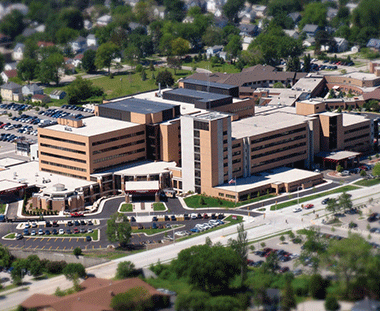
Endocrinology Services at SSM Health St. Agnes Hospital - Fond du Lac

Diabetes Services at SSM Health Ripon Community Hospital
Diabetes Services at SSM Health St. Agnes Hospital - Fond du Lac
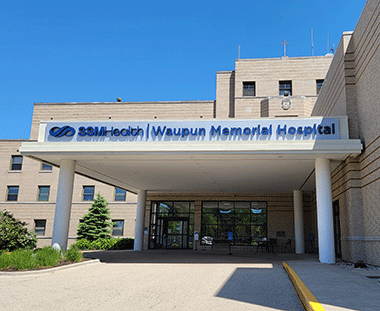
Diabetes Services at SSM Health Waupun Memorial Hospital