Pediatric Oncology
The Costas Center:
At The Costas Center, we welcome any child who has been diagnosed with cancer or is currently undergoing treatment. Our SLUCare Physician Group pediatric oncologists have experience treating childhood cancers and offer comprehensive care to ensure your child achieves the best outcome possible.
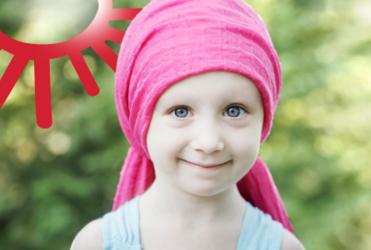
Pediatric cancer care is at its best at SSM Health Cardinal Glennon Children's Hospital where academic knowhow and passion for pediatric care meet.

As a recognized leader in hematology and oncology, the team at SSM Health Cardinal Glennon Children’s Hospital offers clinical trials for a wide range of children’s cancer and blood disorders.
We're experts in pediatric cancer care.
Our multidisciplinary approach to care means your child gets the expertise of leading specialists across our hospital. We fully support the medical and emotional needs of your family through all of the ups and downs of this difficult journey.
We offer new patient consultations and ongoing clinical care for patients with cancer, including outpatient and inpatient chemotherapy infusions and general supportive care.
Why pick SSM Health Cardinal Glennon for pediatirc cancer care?
- SLUCare Physican Group oncologists actively participate in the Children's Oncology Group.
- Our team helped establish the Beat Childhood Cancer Research Consortium, which actively investigates innovative approaches to the treatment of childhood cancer.
- SLUCare Physican Group hematologists actively participate Pediatric Blood and Marrow Transplant Consortium and Center for International Blood and Marrow Transplant Research.
- In addition to a number of oncology clinical trials, our pediatric oncologists participate in national and pharmaceutical company-sponsored studies of hemostasis and sickle cell disease.
Read the latest from our blog:
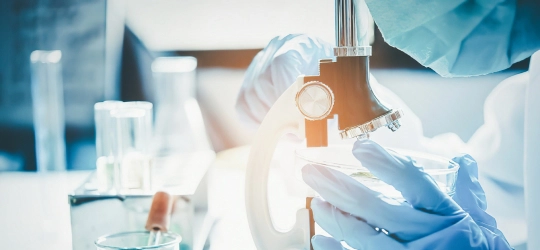
How precision medicine is changing childhood cancer treatment
SSM Health Cardinal Glennon Children’s Hospital is a national leader in advanced pediatric cancer care, offering precision medicine that tailors treatment to each child’s unique genetic profile.
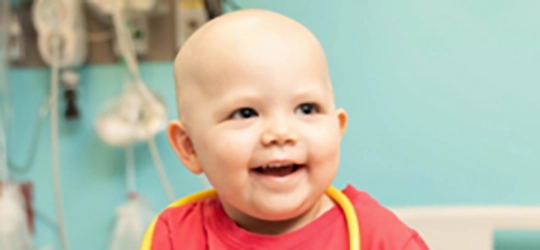
Where research meets care
At SSM Health Cardinal Glennon Children’s Hospital, physician-scientists are advancing pediatric cancer care through research, clinical trials and innovative treatments that bring the latest discoveries directly to patients.
What types of cancer do you treat?
Through a combination of advanced clinical skill and cutting-edge technology, our pediatric oncologists diagnose and treat all types of cancers and related diseases in children, including:
- Neuroblastoma
- Retinoblastoma
- Sickle Cell Anemia
- Wilms tumor
Did you know? With some exceptions, childhood cancers tend to respond better to certain treatments such as chemotherapy.
How is pediatric cancer different from adult cancer?
Cancer starts when cells in the body begin to grow out of control. Unlike many cancers in adults, childhood cancers are not strongly linked to lifestyle or environmental factors, but rather genetic factors such as DNA changes in cells that can take place while a child is still in the womb. In some cases however, environmental factors can play a part.
What are the signs and symptoms of pediatric cancer?
Depending on the type of cancer and your child’s age and health, the disease can have various effects on the body. Cancers in children can be hard to recognize right away because early symptoms are often similar to other, common illnesses or injuries. Cancer in children is not common, but it’s important to have your child checked by a doctor if they have unusual signs or symptoms that do not go away, such as:
- An unusual lump or swelling
- Unexplained paleness and loss of energy
- Frequent bruising
- An ongoing pain in one area of the body
- Limping
- Unexplained fever or illness that doesn’t go away
- Frequent headaches, often with vomiting
- Sudden eye or vision changes
- Sudden unexplained weight loss
While these symptoms are likely to be caused by something other than cancer, consult with your child’s doctor immediately if these symptoms persist. Other symptoms are also possible, depending on the type of cancer.
How is pediatric cancer diagnosed?
Our expert care starts with making an accurate diagnosis. Your child’s doctor will order specific tests to determine if your child has cancer, its type, and its location in the body. Tests may include:
- A physical examination
- Blood and urine tests
- X-rays, magnetic resonance imaging (MRI), CT or CAT scan, PET scan, and bone scans
- Biopsy to test bone marrow, lymph node, or tumor biopsy for malignant cells
- Lumbar puncture (spinal tap) to determine if any tumor cells have started to spread
- Chromosome analysis of cancer cells
If your child has been newly diagnosed, has a recurring tumor, or has a change in prognosis, our team of pediatric health experts will meet to review your child’s unique case. From there, we’ll develop a treatment plan tailored to your child’s needs.
How effective are pediatric cancer treatments?
Most children diagnosed with pediatric cancer will be treated and go on to live productive lives. Six out of seven children diagnosed with cancer will ultimately be cured of their cancer.
- Early detection and aggressive therapy help to ensure the best possible outcome.
- New, advanced therapies and methods are helping improve these odds every day.
Depending on the type of cancer and your child’s health, advanced treatment can be effective. To ensure their longevity, a young cancer survivor will have to monitor their health for months and years to come.
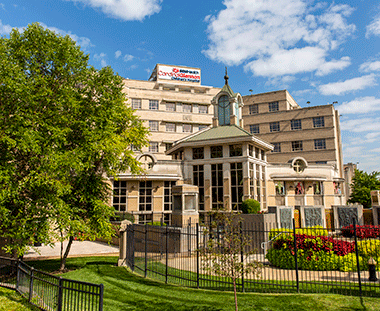
The Costas Center at SSM Health Cardinal Glennon Children's Hospital