Chronic Back & Neck Pain
Get back to living with specialized back and neck care.
If you struggle with chronic back and neck pain, you’re not alone. More than 80% of Americans will suffer from back or neck pain at some point in their lives, making it one of the most common health problems faced by adults. Most of the time, self-care techniques such as rest and over-the-counter medication can help. But, when the pain affects your sleep, interferes with your daily activities, or persists for more than two weeks, you may need additional treatment. SSM Health can help.

If you're having back or neck pain three or more days a week it's time to seek professional help for your chronic health condition.

You don't have to keep living with chronic back pain. Get our free gudie that details your options – from diagnosing the problem to treatments available.
Why should I go to SSM Health for my back pain?
Our team will help you pinpoint the cause of your pain, so together you can create a plan for relief. From therapy to medications to surgery, we offer a full range of treatment options. Depending on the cause of your back pain, your care team may include your primary care provider, physical or occupational therapists, or specialists in pain management, occupational medicine, orthopedics or neurosurgery. Our multidisciplinary approach to back pain care ensures you get exactly the care you need.
When should I see a doctor about my back or neck pain?
If you’ve had back or neck pain for more than two weeks, the pain is severe, or the pain is not improving with home treatment and rest, then it’s time to schedule an appointment with your SSM Health provider.
Your physician may order a series of imaging tests to help identify the source of your pain, including:
- X-rays
- Bone scans
- Computerized tomography (CT scan)
- Magnetic resonance imaging (MRI)

Cutting-edge spine surgery options.

Are you at risk for back or neck pain?
More than 80% of Americans will suffer from back or neck pain at some point in their lives. Learn if you're at risk.
What back and neck conditions does SSM Health treat?
Chronic back and neck pain can result from a variety of conditions. The most common conditions we treat include:
- Osteoporosis
- Overuse or repetitive use
- Rheumatoid arthritis
- Ruptured discs
- Spinal tumors
- Trauma or injury
What is cervical spondylosis?
Daily wear and tear on the body can cause changes to the bones, discs and joints of your neck, a condition called cervical spondylosis. The most common symptoms of cervical spondylosis are neck pain and stiffness, the result of the cervical discs losing fluid and becoming stiff over time. In some cases, these changes can compress the nerve roots in the spinal cord, causing numbness, tingling and difficulty walking. Cervical spondylosis is very common - affecting more that 85% of people over 60 - and tends to get worse as you age.
If you have chronic neck pain, schedule an appointment with your SSM Health provider to learn how we can help you feel better and improve your quality of life.
What are the signs and symptoms of cervical spondylosis?
Symptoms of cervical spondylosis may develop over time. These can include:
- Neck stiffness and pain
- Headaches, which may originate in the neck
- Pain in the shoulders or arms
- Inability to fully bend the neck or turn the head
- A grinding noise or feeling when turning the neck
If you notice your symptoms worsening or if you’re experiencing new symptoms, schedule an appointment with your SSM Health provider for an evaluation.
How is cervical spondylosis treated?
To determine the cause of your neck pain, your physician will ask you about your symptoms and perform a physical exam. In addition, your physician may order an X-ray of your neck and spine to look for any changes. If your pain does not improve with treatment, or if you begin experiencing weakness or numbness in your arms and hands, an MRI may be necessary to give your doctor a more detailed view of your neck and spine. In most cases, conservative treatments will successfully treat your neck pain. These may include:
- Rest
- Non-steroidal anti-inflammatory drugs (NSAIDs)
- Physical therapy
- Traction
- Medications injected into the spine or surrounding area
- A cervical collar to provide support and limit movement
Surgery is only considered in rare cases when there is a severe loss of function in the arms, legs, feet or fingers. As with any type of procedure, the goal of surgery is to remove the source of pressure on the spinal cord and nerves.
Should surgery be necessary, you can trust that you are in good hands. SSM Health back and spine specialists offer the most advanced techniques available. Throughout your treatment they’ll work closely with SSM Health occupational and physical therapists to support you in your recovery.
What is degenerative disc disease?
Degenerative disc disease occurs when one or more discs in the spine begin to deteriorate. These discs play an important role for the spine. They act like shock absorbers between your vertebra and enable your spine to bend and twist. Over time, normal wear and tear on the back can permanently damage these discs. Degenerative disc disease can cause severe, chronic pain that interferes with your daily activities. At SSM Health, our back and spine specialists understand how difficult it is to live in pain. We’ll work hard to create a plan that helps you feel better and improves your quality of life.
What are the signs and symptoms of degenerative disc disease?
Some common symptoms of degenerative disc disease include:
- Chronic low back pain, sometimes radiating to the hips
- Pain in the thighs, buttocks or legs when walking
- Tingling or weakness in the legs
- Pain while sitting, twisting, bending and lifting
- Chronic neck pain, radiating to the head, shoulders and arms
How is degenerative disc disease treated?
Treating degenerative disc disease usually includes a combination of therapies depending on the severity of your symptoms.
Are there non-surgical treatment options?
In many cases, degenerative disc disease can be successfully treated without surgery. Your care team may recommend one or more of the following options to relieve your symptoms:
- Physical therapy
- Chiropractic manipulative therapy
- Osteopathic manipulation
- Anti-inflammatory medications
- Spinal injections
- Traction
What are the surgical treatment options?
If your symptoms persist after two to three months of treatment, your doctor may recommend surgery. SSM Health offers a variety of advanced surgical procedures, including:
- Anterior cervical discectomy and fusion: removes an intervertebral disc in the cervical spine through a small incision in the front of the neck. The disc is then replaced with a bone graft, which will eventually fuse the vertebrae back together.
- Cervical corpectomy: removes a portion of the vertebra and nearby intervertebral discs to allow the cervical spine cord and nerves to decompress. A bone graft or metal plate is used to stabilize the spine.
- Intervertebral disc annuloplasty: heats the degenerated disc to 90°C (194°F) for 15 minutes in an effort to seal the disc and deaden irritated nerves.
- Intervertebral disc arthroplasty: replaces degenerated intervertebral discs with artificial ones in the cervical (upper) or lumbar (lower) spine.
- Micro-discectomy: uses a microscope to remove a disc through a very small incision.
Following surgery, your doctor may recommend physical or occupational therapy to help regain your strength.
What are herniated disks?
The bones in your spine are cushioned by small, round discs that act as shock absorbers for your back. These discs have a tough outer layer and a soft inner portion. A herniated, or ruptured, disc occurs when a tear in the outer ring allows the inner portion to bulge out, releasing inflammatory chemicals that can cause severe pain. A disc can rupture as a result of trauma, from a lifting injury or simply as the result of the normal wear and tear of aging. Herniated discs can occur anywhere in the spine, but are most common in the lower back.
At SSM Health, our back and spine specialists understand how the pain from a herniated disc can disrupt your life. If you have back pain that isn’t improving with self-care techniques like rest and over-the-counter pain relievers, schedule an appointment with our back pain team. Our goal is to help you find relief as quickly and safely as possible, so you can get back to doing the things you love.
What are the signs and symptoms of a herniated disc?
Symptoms, which can range widely and depend on the location of the ruptured disc, may include:
- Mild to severe pain in the neck and arms for cervical discs or in the lower back and legs for lumbar discs
- Pain in the thighs, knees or feet
- Numbness or tingling
- Muscular weakness and even paralysis
How are herniated discs treated?
In most cases, a herniated disc does not require surgery. Care usually involves a combination of more conservative treatments, including:
- Anti-inflammatory medications
- Cortisone injections
- Physical therapy
- Antidepressants
- Graduated exercise programs
Back surgery is typically considered a last resort when your back pain does not improve with more conservative treatment or if you have a significant neurological loss. SSM Health offers a variety of advanced surgical procedures to treat herniated discs, which include:
- Chemonucleoysis - enzymes are injected into a herniated disc to dissolve it.
- Intradiscal electrothermic therapy (IDET) - a minimally invasive treatment that heats the outer layer of the disc to seal small tears and destroy nerve fibers.
- Discectomy - removes a disc through a small incision to relieve nerve compression.
- Anterior cervical discectomy and fusion - removes an intervertebral disc in the cervical spine and replaces it with a bone graft, eventually fusing the vertebrae back together.
- Lumber fusion - joins two or more vertebrae together in the lower spine, using supplemental bone tissue in combination with the body’s natural bone growth.
- Artificial disc replacement - replaces degenerated intervertebral discs with artificial ones, available for both cervical and lumbar spines.
If you have a herniated disc, your care team will explain your options to you and help you determine the best way forward. We understand that you’re anxious to find relief from your pain, so you can get back to your daily activities.
What is sciatica?
The sciatic nerve is the largest nerve in your body. It controls the muscles and provides feeling to most of your leg. Sciatica occurs when this nerve is compressed - due to a herniated disc, spinal stenosis, an injury or the weight of pregnancy - causing shooting pain in the lower back and legs, weakness and tingling. In some cases, sciatica goes away on its own. But, if your pain persists despite self-care, like rest and over-the-counter pain relievers, it’s time to schedule an appointment with an SSM Health provider for an evaluation. Our back and spine specialists understand how back pain can disrupt your life. We will do everything we can to help you find relief as quickly and safely as possible.
What are the signs and symptoms of sciatica?
Sciatica symptoms usually only occur on one side of the body and can include:
- Pain in the lower back and buttock
- Pain, numbness or weakness in the leg and foot
- Tingling or pricking in the leg
- Difficulty moving or controlling the leg
How is sciatica treated?
Treatment for sciatica depends on the cause of the symptoms. Sciatic pain that results from a herniated disc often dissipates over weeks or months. For other causes, initial treatment is typically conservative and includes:
- Bed rest
- Physical therapy
- Medicines, such as muscle relaxers or NSAIDs (non-steroid anti-inflammatory drugs)
Should sciatica symptoms persist, your physician may recommend surgery to relieve the pain. In most cases, a discectomy is performed, removing part of, or an entire, disc.
What is scoliosis?
Scoliosis is a condition in which your spine is curved from side to side. At SSM Health, we offer the latest advanced technology and expertise to customize a treatment plan best suited for your needs.
Scoliosis is generally classified as congenital (an abnormality from birth), idiopathic (unknown cause), or secondary to another condition. Other causes could include:
- Neuromuscular conditions
- Birth defects
- Injuries or infections of the spine
What are the signs and symptoms of scoliosis?
Many times, mild curves can develop without a parent or child even noticing since they can appear gradually and usually do not cause pain. Signs and symptoms of scoliosis may include:
- Uneven shoulders
- One shoulder blade that appears more prominent than the other
- Uneven waist
- One hip higher than the other
If your scoliosis curve gets worse, your spine may also rotate or twist. This could cause your ribs on one side to stick out farther than on the other side.
What are my treatment options for scoliosis?
Treating scoliosis can be complicated, and the best course of treatment is usually determined by both the skeletal maturity and the severity of the spinal curvature. In most cases, proper monitoring and use of a brace when necessary can avoid the need for later surgery. The most conservative methods are physical therapy to help you cope with scoliosis, and occupational therapy to help you participate in daily activities.
Bracing involves an apparatus that covers your torso. It is typically done when the bones are still growing, to hold the curve and prevent it from progressing. Bracing can only be implemented for adults to relieve pain. In cases of infant or juvenile scoliosis, a series of plaster casts may be used instead of a brace.
Surgery is often recommended for spinal curves that are highly likely to progress or that affect functions like sitting and breathing. The most widely performed surgery is spinal fusion, in which bone is grafted to the vertebrae so they become a solid bone mass and the vertebral column becomes rigid.
Why early diagnosis is important:
If you notice symptoms of scoliosis, it is important to see your physician for a complete evaluation. When potential issues are identified prior to a child’s growth spurt, more treatment options are available. SSM Health will tailor a treatment plan to help you get ahead of the curve.
What is spinal stenosis?
Spinal stenosis, a common cause of back and neck pain, is an abnormal narrowing of the spinal canal. This narrowing puts pressure on the nerves and spinal cord, resulting in pain, numbness and weakness. Spinal stenosis can occur in any area of the spine and may be a result of age, arthritis, injury or bone disease. It is most commonly found in adults over 50.
At SSM Health, our back and spine specialists understand how back pain can disrupt your life. If you have back pain that isn’t improving with self-care techniques, like rest and over-the-counter pain relievers, schedule an appointment for an evaluation with one of our back pain team members. Our goal is to help you find relief as quickly and safely as possible, so you can get back to doing the things you love.
What are the signs and symptoms of spinal stenosis?
The symptoms of spinal stenosis often progress slowly, over time. The most common symptoms include:
- Pain in the back and neck
- Numbness or weakness in the arms or legs
- Loss of motor control
- A burning, pricking or tingling sensation in the skin
In many cases, the symptoms only occur on one side of the body and may be worse when standing or walking. Be sure to let your SSM Health primary care provider know if you have a difficult time walking, experience poor balance or have problems controlling your bowel or bladder, as these are signs of a more serious problem.
How is spinal stenosis treated?
As with many causes of back pain, spinal stenosis symptoms can often be managed with non-surgical therapies, such as:
- Pain relievers (acetaminophen)
- Non-steroidal anti-inflammatory drugs (NSAIDs)
- Physical therapy
- Weight loss
- Exercise
- Lumbar epidural steroid injections
If your symptoms persist or grow worse despite conservative treatment, your physician may recommend surgery. A lumbar decompressive laminectomy removes the roof of bone over the spinal canal to decompress the nerves. Over 95% of our patients who have undergone this surgery report positive results.
What is spondylolisthesis?
Spondylolisthesis is a condition in which a vertebra slides forward over the bone below it. This occurs most often in the lower spine (lumbar) area and may cause the spinal cord or nerve roots to be squeezed, resulting in back pain and numbness or weakness in your legs. Spondylolisthesis may be caused by several problems with your spine, including stress fractures, trauma, overuse or arthritis.
At SSM Health, our back and spine specialists understand how back pain can disrupt your life. If you have back pain that isn’t improving with self-care techniques, like rest and over-the-counter pain relievers, schedule an appointment for an evaluation with one of our back pain specialists. Our goal is to help you find relief as quickly and safely as possible, so you can get back to doing the things you love.
What are the signs and symptoms of spondylolisthesis?
In some cases, spondylolisthesis causes no symptoms at all or does not cause symptoms until years after an injury. Symptoms can include:
- Pain in the lower back or buttocks
- Stiffening of the back
- Tightness of the hamstrings
- A change in gait and posture
- Pain when sitting or standing up
- Shooting pain from the buttocks into the thigh or lower leg
Be sure to let your SSM Health primary care provider know if you have a difficult time walking or have problems controlling your bowel or bladder, as these are signs of a more serious problem.
How is spondylolisthesis treated?
As with many causes of back pain, spondylolisthesis symptoms can often be managed with conservative therapies, such as:
- Pain relievers (acetaminophen)
- Non-steroidal anti-inflammatory drugs (NSAIDs)
- Oral steroids (prednisone or methylprednisolone)
- Rest and modifying your activities
- Physical therapy
In most cases, surgery is only considered after 6 to 12 months of therapy has failed to relieve the symptoms. The most common surgical procedure is a laminotomy. During this procedure, an SSM Health surgeon removes a portion of the roof over the vertebra to create more room for the spinal nerves, which can reduce irritation and inflammation. This is often combined with a lumbar fusion to help prevent the spondylolisthesis from progressing.
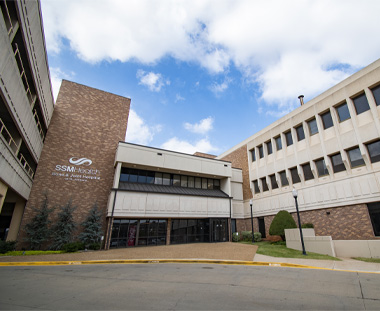
SSM Health Bone & Joint Hospital at St. Anthony - Oklahoma City
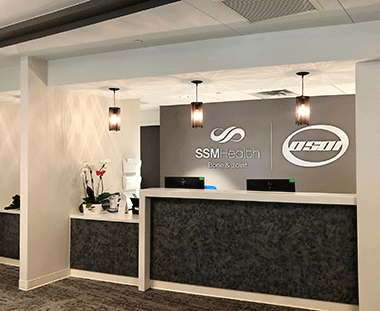
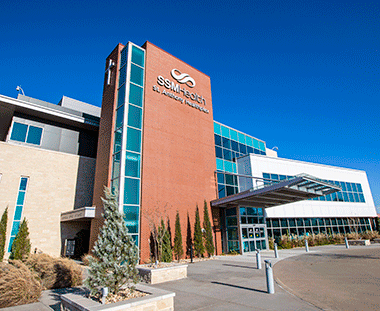
SSM Health Bone & Joint | OSOI | Midwest City
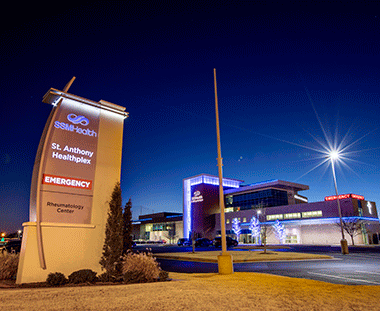
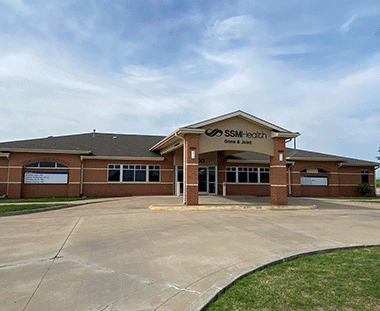
SSM Health Bone & Joint | OSOI | North Oklahoma City