In Dane County, Wisconsin, a powerful truth is emerging: when coordinated maternal care starts early, is culturally aligned, and stays consistent, birth outcomes for Black mothers and babies improve. Such are the findings of an initial evaluation report on local efforts to address Dane County’s longstanding racial birth disparities.
For the past eight years, the Dane County Health Council (DCHC) and the Foundation for Black Women’s Wellness (FFBWW), alongside clinical and community partners, have led the Saving Our Babies Initiative—a groundbreaking cross-sector collaboration aimed at eliminating the Black low-infant birth weight crisis and to broadly improve Black maternal and child health. Together with ConnectRx Wisconsin (CRx), an innovative care coordination model launched in 2022, the work is demonstrating progressive gains.
To date, the ConnectRx program has conducted more than 18,500 screenings, generated 4,525 referrals to critical supports, and supported 515 births—including 332 with doula care. Among participants, 94% of births reach optimal gestational age and 93% of babies are born at a healthy birth weight—outcomes that now exceed countywide averages.
The impact is both measurable and compelling, and further amplified by the findings of a preliminary evaluation report conducted by the University of Wisconsin-Madison Reproductive Equity Action Lab and released in April 2026. The findings, drawn from analysis of more than 31,000 births in Dane County, including 350+ births among ConnectRx Wisconsin participants, offer one of the clearest local demonstrations that community-driven coordinated care works. The findings offer clear lessons about what is working:
- ConnectRx Wisconsin is reaching families with the highest need. On average, CRx participants navigate three or more major social challenges and are connected to multiple community resources to address needs like financial strain, housing instability, and food insecurity.
- Early connection and sustained participation change outcomes. Pregnant patients who enrolled in CRx in the first trimester saw significantly better outcomes; and preterm birth rates were cut by more than half compared to Black birthing people not enrolled in the program.
- Longer Participation is linked to stronger outcomes: Findings also suggest that longer participation, 6-7 months or longer, is linked to stronger outcomes, reinforcing the importance of enrolling early and staying connected throughout pregnancy and postpartum.
Findings also highlight ongoing needs and challenges:
- Need is outpacing capacity. As referrals increased, wait times for CRx grew, especially in 2023, reinforcing the need to expand staffing capacity so families can enroll early enough to benefit fully from the program.
- This work is only beginning. Some findings are not yet statistically significant due to small sample sizes and relative infancy of the program. Generational change requires long-term commitment; clearer trends are expected as the program is sustained.
- Saving Our Babies and Connect Rx are one piece of the solution. Even with Saving Our Babies and ConnectRx Wisconsin, broader inequities persist, underscoring the need to address systemic racism and structural barriers that shape birth outcomes.
Despite the challenges, partners point to a clear driver of progress: a model intentionally built on trust, access, representation, and the integration of both clinical and community care. ConnectRx Wisconsin recruits, trains, and supports doulas and Community Health Workers (CHWs) who reflect the lived experiences of the families they serve—many of whom are former participants. This culturally aligned workforce, working in tandem with clinical staff, is essential to rebuilding trust where systems have historically fallen short, strengthening engagement, and ensuring continuity of care.
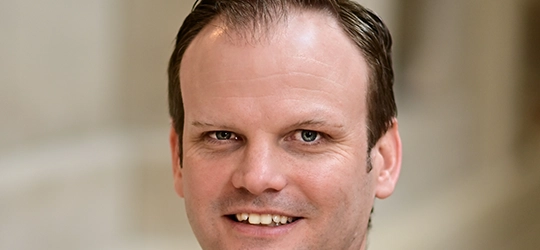
“ConnectRx Wisconsin shows what is possible when healthcare systems and community partners work in true alignment,” said Eric Thornton, President of SSM Health St. Mary’s Hospital, a longstanding member organization of the Dane County Health Council. “By meeting families where they are and addressing the full range of needs impacting health, we are not only improving outcomes—we are restoring trust and dignity and advancing equity in care.”
Together, these findings point to what must come next: expanding capacity so more families can enroll early, sustaining and investing in the critical workforce of doulas and CHWs, and deepening partnerships between healthcare systems and community organizations. While the path forward is both urgent and achievable, partners emphasize that scaling ConnectRx Wisconsin’s impact will require sustained, multi-year investment to grow capacity, and realize the broader promise of this work.
“ConnectRx is one of Wisconsin’s most impactful and promising efforts built by systems and community working together to undo the longstanding birth disparities in our state for Black mothers and babies,” said Lisa M. Peyton, CEO & President of the Foundation for Black Women’s Wellness. “The question is no longer what works or if it works, but rather if we will invest at the level required to sustain what we know works – and to ensure we reach every family who needs it.”
For more information or to support the Initiative, please visit www.savingourbabieswi.org or contact Ariel Robbins: arobbins@uwhealth.org.
About the Dane County Health Council:
The Dane County Health Council is a coalition of healthcare providers, government and nonprofits with a mission to eliminate gaps and barriers to optimal health and reduce disparities in health outcomes in Dane County. Council members include Access Community Health Centers, Black Maternal and Child Health Alliance, Group Health Cooperative of South Central Wisconsin, Madison Metropolitan School District, Public Health Madison & Dane County, SSM Health St. Mary’s Hospital - Madison, United Way of Dane County, UnityPoint Health – Meriter and UW Health.