End-of-life care isn’t a topic that many people bring up on their own, but SSM Health teams are committed to guiding these conversations with compassion, respect, and cultural sensitivity. As we mark Thursday as Healthcare Decisions Day, this takes on more significance.
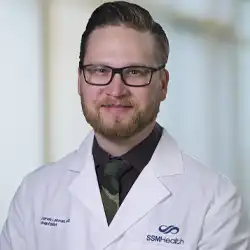
“During code situations—when the heart stops—time is of the essence,” said SSM Health physician Dr. James Lehman. “Our teams work closely together to ensure we can honor what our community members truly want if that moment ever occurs.”
Having more frequent conversations and documenting end-of-life wishes in the electronic medical record is essential. Some people choose to be listed as Do Not Resuscitate (DNR), Do Not Intubate (DNI), or both.
“Sometimes we also have additional conversations about other factors that may also be important based on a person’s chronic health conditions or implanted medical devices, such as a pacemaker,” Dr. Lehman added.
While community members are asked about end-of-life wishes if they are admitted to the hospital, these important discussions can also easily occur during routine clinic visits.
All are encouraged to regularly update their providers and ask questions.
“Ideally, people would feel comfortable having end-of-life discussions even at younger ages,” Dr. Lehman said. “If people haven’t shared wishes with their care team, they should at least be having those conversations with their loved ones.”
Navigating what needs to be documented for end-of-life wishes can feel overwhelming.
Some key considerations include:
Indicating DNR/DNI status
Hospitalized patients wear bracelets indicating DNR/DNI status; but in many states, end-of-life wishes are not automatically recognized in other settings.
To have a DNR/DNI preference honored if something were to happen elsewhere, community members must obtain and wear a state approved DNR/DNI bracelet.
SSM Health caregivers can provide guidance on obtaining a state-approved bracelet. If a person is not wearing their bracelet, emergency responders are required to attempt full resuscitation measures.
“That process can be traumatic for everyone involved if it is not what the person wanted,” Dr. Lehman said.
Establish Health Care Power of Attorney (POA)
Health Care Power of Attorney legally designates a trusted person (often a spouse or close relative) to make decisions if a person becomes unable to communicate their medical wishes and make decisions.
The POA should clearly understand the patient’s wishes and follow them. Many SSM Health locations have team members available to assist with completing this paperwork, and community events are sometimes offered for additional support.
Create a Will and maintain ongoing conversations with loved ones
Community members are encouraged to clearly document their preferences as part of their end-of-life planning. One step is creating a Last Will and Testament to guide the legal distribution of assets after death.
Regular conversations are also important. Discussions should address care preferences such as dialysis, feeding tubes, long-term nursing home care, blood transfusions, ICU care, and other life prolonging treatments.
“This pre-planning benefits everyone,” Dr. Lehman said.
SSM Health teams are dedicated to ensuring every patient has a positive end-of-life experience.
“When wishes are clearly documented and communicated, it helps remove any questioning or guilt they may feel when faced with difficult choices,” Dr. Lehman said. “Often, it is families who struggle most when urgent decisions must be made – and nobody wants to leave that with the people they love.”