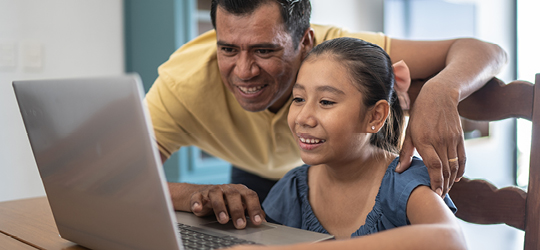
YouTube and other streaming platforms offer more than just entertainment. They also provide a platform for kids, teens, and young adults to develop social and vocational skills while creating and sharing content. In this blog post, we will explore the academic and mental health benefits of producing YouTube and streaming content to teach social and vocational skills.
Academic benefits
Producing content for YouTube and streaming platforms can help students develop a range of academic skills. For example, creating videos requires planning, scripting, and editing, which can help students develop organization and time-management skills. According to a study published in the Journal of Research on Technology in Education, students who produce videos for educational purposes are more likely to develop critical thinking skills, as well as improved written and oral communication skills (Wang, 2015).
In addition to academic skills, producing content for YouTube and streaming platforms can also help students develop digital literacy skills. This includes skills such as video production, graphic design, and social media management. These skills are becoming increasingly important in today's digital age, and students who develop these skills will be better prepared for the job market.
Mental health benefits
Producing content for YouTube and streaming platforms can also have mental health benefits. For example, creating content can be a form of self-expression, which can improve self-esteem and confidence. In a study published in the Journal of Educational Psychology, researchers found that adolescents who produced videos for educational purposes reported higher levels of self-esteem and self-efficacy than those who did not produce videos (Sung, 2016).
Producing content for YouTube and streaming platforms can also be a form of stress relief. Creating content can provide a sense of control and accomplishment, which can also help reduce stress and anxiety. This is particularly true for students who may feel overwhelmed by academic demands or social pressures.
Conclusion
Producing content for YouTube and streaming platforms can provide a range of academic and mental health benefits for kids, teens, and young adults. It can help students develop academic skills like critical thinking and digital literacy and improve mental health outcomes like self-esteem and stress relief. While producing content should not be seen as a substitute for traditional classroom learning or mental health treatment, it can be a powerful tool for supplementing and enhancing learning and well-being.
To learn more, visit treffertcenter.com.
References
Wang, Q. (2015). The effects of video production on students’ academic achievement and motivation in social studies. Journal of Research on Technology in Education, 47(3), 140-157.
Sung, Y. (2016). Student-created educational videos in a flipped classroom model: A study of student engagement and learning satisfaction. Journal of Educational Psychology, 108(6), 793-809.