The recent Super Bowl attracted a record number of viewers. People gear their weekends around their favorite teams, and these modern-day gladiators are viewed as indestructible and powerful. But these men are just like us – human and susceptible to injury or illness. According to the American College of Cardiology, former NFL players were found to be more than five times as likely to have a heart rhythm disorder, such as atrial fibrillation, compared with the general public.1
Most of us are not gladiators, but we may be weekend warriors, or simply average people who work to exhaustion in our day-to-day lives. We lead our families, drive productivity at work, hurdle over daily obstacles, celebrate daily wins, and do our best to eat healthy and exercise. We tend to assume our bodies will keep up with our busy lifestyles. After all, heart disease only affects the elderly population and those who love fried foods, right?
Wrong.
Trusting common myths surrounding heart health can be dangerous. According to the American Heart Association (AHA), heart disease remains the number one cause of death in America.2
2 common heart myths:
"I'm young. Only old people have heart problems”
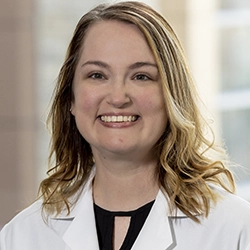
According to the AHA, plaque can begin to build in arteries as early as childhood and adolescent years. This can lead to clogged arteries later in life. “Genetics are the factors that we cannot control- some things we are just born with,” said Ashley Hofer, NP, a cardiology provider with SSM Health Medical Group in Mt. Vernon, Il. Congenital heart disease, which has been observed in young athletes like Bronny James, is a type of birth defect that can lead to cardiac arrest.”
“I’m active. I’m in good shape. I have nothing to worry about, right?”
"In spite of doing everything right -- exercising, eating healthy, and being active – you can still have risks for heart disease,” said Hofer. “Several years ago, we cared for a very physically fit gentleman in his 60s. He ran marathons routinely, yet had a severe heart attack. Thankfully, he recognized his symptoms and was able to seek immediate treatment and has recovered. We recommend that every patient obtain a physical annually so that their providers can look for signs and symptoms of heart conditions and refer to cardiology as appropriate.”
SSM Health has trusted heart and vascular specialists in locations close to home, so you – and your heart – get the care you deserve. Our teams include leading cardiologists, electrophysiologists and cardiothoracic surgeons, and provide the most innovative inpatient heart care throughout Illinois, Missouri, Oklahoma and Wisconsin.
You can better understand your risks for heart disease by completing this quick heart health quiz. You’ll want to bring the results to your doctor on your next wellness visit.
1. Football Associated with Heart Changes, Increased Cardiovascular Risk - American College of Cardiology. (2018, February 26). American College of Cardiology. https://www.acc.org/about-acc/press-releases/2018/02/26/14/58/football-associated-with-heart-changes-increased-cardiovascular-risk
2. When it comes to heart and brain health, these are numbers you should know. American Heart Association News. (2025, January 27). https://www.heart.org/en/news/2025/01/27/when-it-comes-to-heart-and-brain-health-numbers-to-know