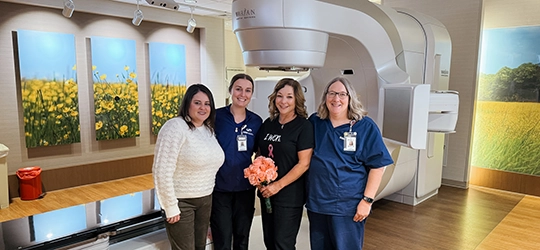
A new, highly specialized, multidisciplinary center focused on pediatric Hereditary Hemorrhagic Telangiectasia (HHT) has opened at SSM Health Cardinal Glennon Children’s Hospital.
The HHT Center is led by Andrew J. White, MD, Glennon Pediatric Chair. Dr. White is a nationally recognized expert on pediatric HHT and one of only a few such pediatric specialists in the country. He sits on the Global Research and Medical Advisory Board for HHT Foundation International and is a member of its HHT Guidelines Expert Panel. Dr. White notes that while HHT is a rare disease, it is more common than many realize and is both underrecognized and underdiagnosed.
“I have been caring for young HHT patients for more than 20 years,” says Dr. White. “There are very few experts in the country focused exclusively on the care of children with HHT and I am committed to developing a pediatric-focused center of excellence here to care for children and support the families of our HHT patients.
What is HHT?HHT is a genetic disorder of the blood vessels, also known as Osler-Weber-Rendu disease. In individuals with HHT, blood vessels develop abnormally, leading to fragile and/or malformed blood vessels (AMVs) in the nose, lungs, brain, or liver. HHT affects one out of 5,000 people in the United States, but up to 90% have never been diagnosed.
Symptoms of HHT in children can include:
- Chronic nosebleeds
- Coughing up blood
- Anemia/iron deficiency
- Shortness of breath and exercise intolerance
- Chronic fatigue
- Migraine headaches
- Hemorrhagic or ischemic stroke (rare)
How is HHT diagnosed and treated?
Because it’s a genetic disease, HHT is detected most accurately through genetic screening. Sometimes, the disease is detected after symptoms arise and families are encouraged to consider genetic testing for other related family members. If a child is found to have HHT, they should be screened for the malformations (AVMs), particularly if they are symptomatic.
Fortunately, malformed blood vessels in the brain or lungs can be identified and corrected before problems arise using catheter embolization or various surgical procedures. A child may be prescribed supplemental iron and/or blood transfusions if iron deficiency anemia is present.
Specialized care for your child
Our goal is to work with you to ensure your child receives an accurate diagnosis and appropriate therapy to minimize the effects of HHT. Our center includes pediatric HHT specialists as well as specialists in child neurology and neurosurgery; cardiovascular disease; gastroenterology and hepatology; ear, nose, and throat; and pulmonary medicine. We also offer also a dedicated genetic screening and counseling program to support your family’s needs.
Learn more about the HHT Center.
For questions or more information, please contact:
Lynne Sekarski, MSN, RN, CPN
HHT Nurse Program Coordinator
Phone: 314-678-4489