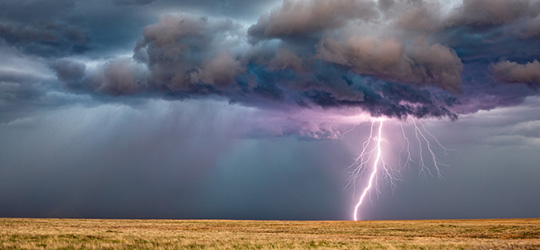
Any time there’s a storm, it’s important to know what to do.
 |
“There are many dangers when it comes to storms, whether it be because of high winds, heavy rain, or lightning,” said SSM Health Family Medicine APNP Jamie Mowry. “Always be prepared.”
During storms, the first priority is to act quickly and find safe shelter.
“Strong winds can appear suddenly, and turn what seems like ordinary items into dangerous projectiles,” Mowry said.
If you are caught outside without the ability to find shelter in a safe building, or an enclosed vehicle, the following actions may reduce your risk of being injured:
- Leave elevated areas and get to the lowest safe spot.
- Crouch down in a ball-like position and protect your neck and head.
- Stay away from bodies of water and water sources.
- Avoid sitting in an open vehicle (like a motorcycle or golf cart).
- Stay away from tall structures, like telephone poles - lightning often strikes the tallest object nearby.
Never seek shelter under an isolated tree. If in a group, stay separated from each other.
“Being physically separated will lower the risk of multiple people being injured if lightning does strike,” Mowry said.
When storms include tornadic activity, take shelter right away. The safest place to go during a tornado is the interior part of a basement, or an interior room on the lowest floor of a safe building.
- Stay away from windows during severe storms, and especially during tornadoes.
- Never try to outdrive a tornado if you’re on the road. Seek safe shelter in a building.
- If you’re driving and are unable to find shelter, the best two choices are to get down in the vehicle and cover head, or to get out of the vehicle and seek shelter in a ditch or ravine.
- Seek information on the storm from a professional meteorologist, whether that be via radio, the television, or the National Weather Service.
Lastly, respect floodwater. Dangerous currents and depth may not be visible at first sight. Wherever there is flood water, there is risk of drowning. Never try to drive through.
“Flood waters also contain all sorts of nasty things – like power lines, chemicals, waste and physical debris,” Mowry said. “Exposure can lead to wound infections, rashes, gastrointestinal illnesses and tetanus.”
If ever seriously injured during a storm, call 911. Additional care options, including SSM Health Emergency Rooms and Urgent Care sites, may be available near you. Find an SSM Health location.