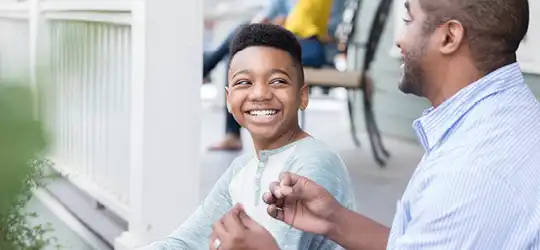
Mentoring is a crucial element in a child's development. It offers children opportunities to learn, grow, and gain valuable life experiences. A mentor can be a trusted friend, family member, teacher, coach, or any other adult who has experience in a particular field – or life in general.
Let’s take a closer look at the importance of mentoring for kids with insights from professionals in the field, including Temple Grandin.
Mentoring can help build confidence in children. According to a study published in the Journal of Youth and Adolescence, children who have mentors report higher levels of self-esteem and self-confidence. Mentors can provide emotional support, encouragement, and constructive feedback that can help children believe in themselves and their abilities.
Temple Grandin, a renowned animal behaviorist, believes that mentoring is essential for children with autism. Grandin herself was mentored by a science teacher who encouraged her to pursue her interests in animal science, leading to a successful career. She emphasizes that mentors can provide guidance and support to children with autism, helping them to overcome challenges and reach their potential. In an interview with Autism Parenting Magazine, Grandin stated, “Mentoring is critical for kids with autism. It's essential to have somebody who can help them find their niche and build on their strengths."
Mentoring can also provide children with role models. According to the National Mentoring Partnership, children who have mentors are more likely to have positive attitudes toward school and less likely to engage in risky behaviors such as drug use or violence. Mentors can provide children with positive examples of how to behave, how to handle difficult situations, and how to set and achieve goals.
Furthermore, mentoring can help children develop important life skills. Mentors can teach children valuable skills such as communication, problem-solving, decision-making, and time management. These skills can be invaluable in both their personal and professional lives.
Mentoring is an important aspect of a child's development. It can help build confidence, provide role models, and teach valuable life skills. Temple Grandin and other professionals in the field emphasize the importance of mentoring, especially for children with autism. Parents, teachers, and community members can all play a role in providing mentoring opportunities for children. As Grandin stated, "Mentoring is a gift that can last a lifetime."
SSM Health Treffert Center offers state-of-the-art comprehensive, multidisciplinary diagnosis and treatment of autism, behavior, and communication disorders in children and adults. Learn More about SSM Health Treffert Center.
References
DuBois, D. L., Holloway, B. E., Valentine, J. C., & Cooper, H. (2002). Effectiveness of mentoring programs for youth: A meta-analytic review. American Journal of Community Psychology, 30(2), 157-197.
National Mentoring Partnership. (2015). The Mentoring Effect: Young People's Perspectives on the Outcomes and Availability of Mentoring. Retrieved from mentoring.org.
Autism Parenting Magazine. (2017). The Importance of Mentoring for Kids with Autism: An Interview with Temple Grandin. Retrieved from autismparentingmagazine.com.