Heart disease is no longer just a man’s disease. In fact, more women are affected by cardiac disease than breast, lung, or cervical cancer. While heart disease claims the lives of more than half a million women each year, 60% of women think cancer is their greatest health risk.
Heart disease is genderless, and a risk for men and women alike. However, the signs and symptoms present themselves differently in women than in men. For example, women sometimes have heartburn or dizziness, and pass it off as fatigue instead of a sign of a heart attack. Additionally, women often delay seeking emergency treatment. The more you know about how heart disease can occur, the better prepared you will be to safeguard your own heart health and can preserve and prevent disease and illness down the road.
First, know your family history. Are others in your family affected with heart disease? This makes your chances more likely to have heart disease.
Then, know your numbers. What are your baseline blood pressure, cholesterol, and triglyceride levels? Keep them at healthy levels and work with your providers to know what these levels should be for you.
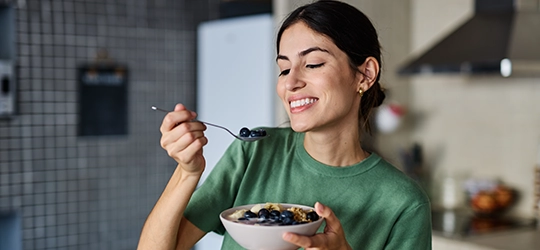
Eat a healthy diet high in fiber and full of color, vegetables, and lean proteins. Watch your portion control and limit salt, alcohol, and fats.
Exercise at least 30 minutes daily. This can be three short, 10-minute walks, or one 30-minute class. Park and walk to your destination. Take the stairs when you can. Use these opportunities to get your heart pumping.
Find moments of relaxation and stress-free activities throughout your week. Eliminating stress from your life will go a long way for your heart health as well.
Heart-health tips to consider:
- Replace sour cream with low-fat Greek yogurt for a heart-healthy alternative.
- Your smartphone can be your friend when making smart eating decisions. Most fast-food restaurants post their nutrition facts online.
- When baking, two egg whites can take the place of one whole egg for a heart-healthy alternative.
- Fiber from whole wheat foods helps you feel fuller when you’re done eating, making it easier to avoid overeating.
- Today is a great day to quit! It has been shown that your risk for heart disease drops by more than 50% one year after quitting smoking.
- Optimistic people take better care of themselves, including their heart.
- While tomatoes add flavor to your sandwich, they contain lycopene, which aids in cancer and heart disease prevention.
- Eating a lower-salt diet can lower your blood pressure by five points.
The SSM Health Dale Michels Heart & Vascular Care team is committed to educating the community on the effects of heart disease and the need for heart disease prevention.
Learn more about good heart health and state-of-the-art heart care available locally.