Most seemingly “random” occurrences of colorectal cancer develop from pre-cancerous growths within the colorectal lining called polyps.
Colonoscopies, visual examinations of the lower gastrointestinal tract, are considered the “gold standard” for detecting and removing these polyps. The procedure is done using a flexible fiber-optic scope to diagnose any potential issues.
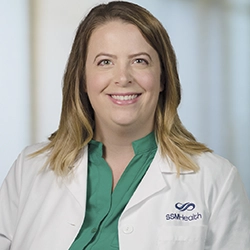
“Patients are sedated during colonoscopies, so that they remain safe and comfortable,” said SSM Health gastroenterologist Dr. Abby Lochmann-Bailkey. “It’s so important to receive these screenings because they present the best opportunity for us to prevent or diagnose colorectal cancer in its earliest stages.”
Who needs to be screened for colorectal cancer?
The American Cancer Society recommends that community members at average risk for colorectal cancer should start screening for colorectal cancer at age 45.
If community members have a family history of colorectal cancer or advanced polyps, they should start to receive regular screenings at age 40, or 10 years earlier than their affected relative’s age at diagnosis.
“Those who have risk factors such as Crohn’s disease or ulcerative colitis may also start to receive regular colonoscopies before age 45,” Dr. Lochmann-Bailkey said.
Regular checkups with one’s primary care team can help to determine what the appropriate timing is for colorectal cancer screening.
When should I speak to my doctor about my concerns?
Signs of colorectal cancer vary between individuals, but some symptoms – like blood in your stool or a notable change in bowel movements or their frequency – should always be addressed right away.
Other signs of colorectal cancer include:
- Unexplained stomach discomfort
- Unexplained weight loss
- Tiredness and fatigue
- Iron deficiency anemia (low number of red blood cells)
“It’s important to note that many signs of colorectal cancer do not show until the cancer has already had time to become advanced,” Dr. Lochmann-Bailkey said. “That’s why it’s so important to utilize preventative screenings.”
What are some of the misconceptions about colorectal cancer screenings?
It’s not uncommon for community members to express concern when they hear it’s time to receive a colonoscopy.
“Many are familiar with the large jug of laxative in years past, but some people are now candidates for newer bowel preparation methods that are easier and better-tolerated,” Dr. Lochmann-Bailkey said.
Now colonoscopy preparation sometimes involves the laxative in a significantly smaller volume. The flavor has also been improved, and there are even pill formulations.
“Coupons can sometimes help to cover the cost of newer preparation methods, if they aren’t fully covered by insurance,” Dr. Lochmann-Bailkey said.
Providers frequently hear additional concerns related to embarrassment or pain.
“There is no reason to hesitate about getting a colonoscopy due to feeling embarrassed,” Dr. Lochmann-Bailkey said. “Health care professionals do colonoscopies all the time – all patients are treated with privacy and respect, and you should never feel shy about discussing any concerns with your care team.”
Patients are also made comfortable during colonoscopies.
“You won’t be able to drive right after the procedure due to drowsiness, but you’ll otherwise be able to return to activities pretty quickly,” Dr. Lochmann Bailkey said.