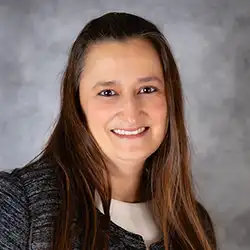
Maggie Fuchs, regional director of medical staff services for SSM Health in Wisconsin, has long been concerned about burnout among the clinicians she serves. Her team supports physicians, allied health professionals, and other licensed independent practitioners by ensuring they have the credentialing and licensing needed to begin caring for patients.
That concern has translated into meaningful action.
In collaboration with Dr. Heather Schmidt, system medical director for employee well-being, Fuchs has been a driving force behind transforming the way SSM Health approaches questions about clinicians’ mental health. Together, they have helped implement changes that allow caregivers to access confidential support—if requested—without fear that doing so will affect their credentialing status.
These efforts earned SSM Health recognition as a “Wellbeing First Champion” from the Dr. Lorna Breen Heroes’ Foundation, an organization established after the suicide of Dr. Lorna Breen during the early days of the COVID-19 pandemic. The designation acknowledges health systems that remove stigmatizing mental health questions from credentialing processes while encouraging clinicians to seek care.
Fuchs also authored an article on the subject for Gateway, the publication of the National Association of Medical Staff Services (NAMSS). The article has since been featured in the Breen Foundation’s newsletter, expanding its reach nationwide.
Building on this momentum, Fuchs—along with representatives from the Dr. Lorna Breen Heroes’ Foundation and the American Medical Association—has been invited to participate in an upcoming NAMSS webinar titled “The Clinical and Operational Perspectives of Wellbeing First in Credentialing.” The expert panel will explore how credentialing practices can better support clinician well-being while maintaining patient safety and regulatory standards.
“Maggie is a strong and compassionate leader who is helping SSM Health clinicians more candidly assess their risk for burnout during a very challenging time in health care,” said Dr. Schmidt. “Her persistence in advocating for our caregivers is both admirable and deeply needed.”