Breast cancer affects one in eight women in the United States1, making it one of the most common cancers among women. Early detection can make all the difference, and that’s where mammograms come in.
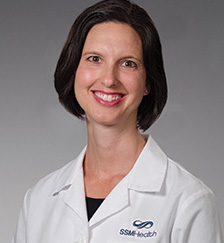
SSM Health general surgeon Dr. Dana Henkel specializes in breast health and breast cancer. She shares her expertise on why mammograms are essential and how women can take proactive steps toward their health.
What is a mammogram and why is it important?
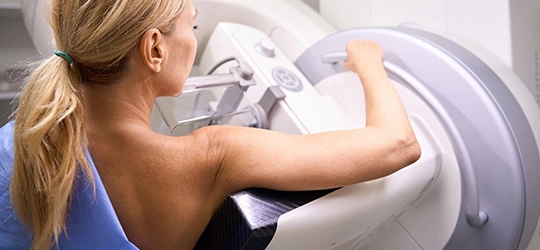
A mammogram is a specialized X-ray of the breast that helps detect subtle changes in breast tissue. These changes can be early signs of cancer, often before any symptoms appear. According to Dr. Henkel, mammograms are a critical screening tool designed to catch breast cancer early — when it’s most treatable.
“A subtle little change on that mammogram can be a clue that there might be a cancer there,” said Dr. Henkel. “And that’s really the goal of the mammogram.”
When should you start getting mammograms?
Dr. Henkel recommends that women begin annual mammograms at age 40. This consistent yearly screening allows doctors to track changes over time and catch abnormalities early.
“Start getting your mammogram when you turn 40 years old and get it every year after that,” she advised.
What if you have a family history of breast cancer?
Women with a strong family history of breast cancer may need to start screening earlier. Dr. Henkel explains the general rule: begin screening 10 years before the age at which your closest relative was diagnosed.
“If your mom had breast cancer at 45, you should start your mammograms at 35,” she said.
In addition to mammograms, high-risk women may benefit from genetic counseling and supplemental imaging like breast MRIs. These can be alternated every six months to ensure close monitoring.
Understanding breast cancer treatment
If diagnosed, patients will work with a multidisciplinary team that typically includes:
- A breast surgeon for surgical treatment such as lumpectomy or mastectomy.
- A medical oncologist for medication-based treatments, including chemotherapy or hormone therapy.
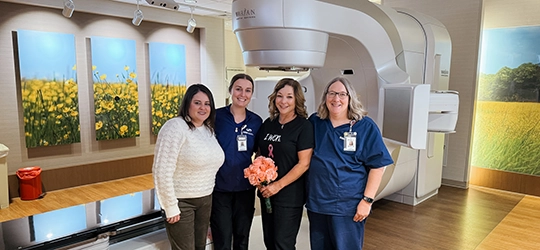
- A radiation oncologist for targeted radiation therapy.
Treatment plans are personalized based on the type and stage of cancer, as well as the patient’s individual needs.
“Breast cancer is usually curable,” Dr. Henkel emphasized. “And that is our goal.”
Take action: Schedule your mammogram
SSM Health makes it easy to schedule your annual mammogram online or by phone. Whether you're 40 and scheduling your first screening or managing a family history of breast cancer, early detection is key — and it starts with a mammogram.
Schedule your mammogram now with SSM Health.
Take control of your breast health today. It’s quick, convenient, and could save your life.
1) Team, N. (2025, September 29). Breast Cancer Facts & Stats 2025 - Incidence, age, survival, & more. National Breast Cancer Foundation. https://www.nationalbreastcancer.org/breast-cancer-facts/