
Measles (Rubeola)
What is measles?
Measles is a highly contagious viral infection with a distinctive red rash. The virus often begins with cold-like symptoms such as runny nose, cough, fever, and red watery eyes.
Yes. The measles virus has an infection rate of more than 90%. Meaning if one infected person is in a room with ten unvaccinated people, nine of them will contract measles.
The best way to prevent measles is through vaccination. The measles (MMR) vaccine is the only proven method to prevent measles infection. One dose of the MMR vaccine is effective up to 93% and up to 97% after a second dose.
Other ways you can protect yourself and your family include:
- Avoiding people with cold or measles-like symptoms
- Staying away from people who have measles
- Isolating if you believe you have measles
How does measles spread?
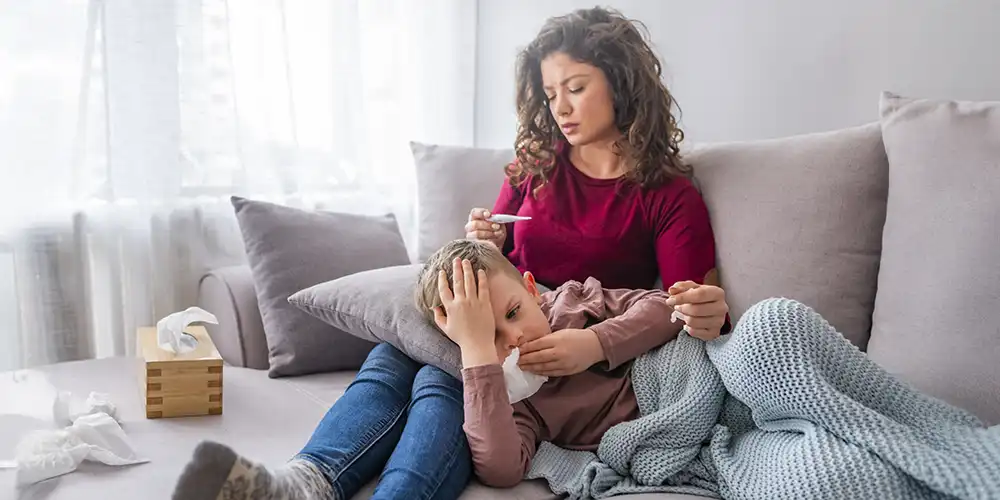
Measles is spread through respiratory droplets when an infected person coughs or sneezes. Measles can linger in the air and on surfaces for up to two hours after an infected person leaves a room.
Did you know?
You can spread measles to others starting four days before you experience symptoms and up to four days after your rash has resolved. In addition to coughing or sneezing, you can also spread measles by:
- Sharing food or drink with someone
- Close physical contact with someone (kissing, hugging, shaking hands, or holding hands)
- Touching infected surfaces and then touching your mouth, nose, or eyes
What are the symptoms of measles?
Measles typically starts with cold-like symptoms, usually 5-7 days after exposure to the virus. Symptoms of measles include:
- Fever
- Cough
- Runny nose
- Red, watery eyes (conjunctivitis)
- Small spots inside of the mouth (Koplik spots)
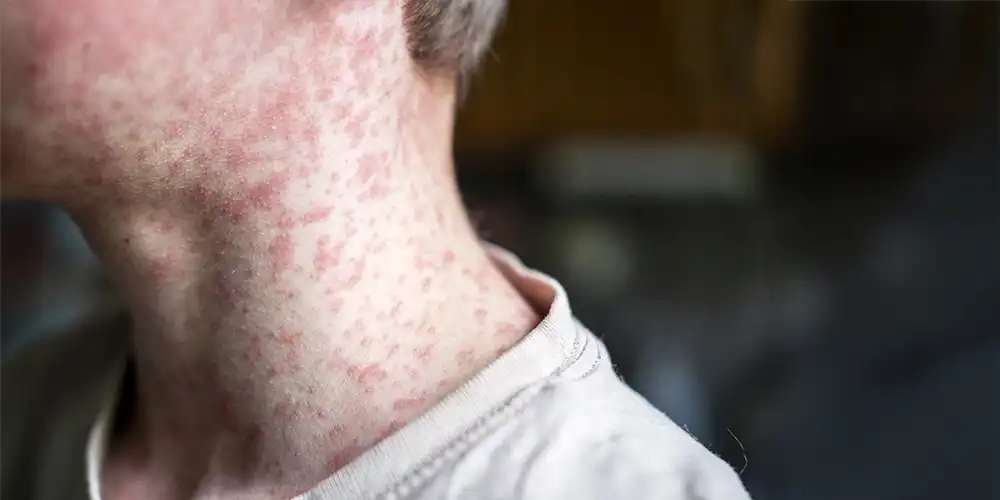
- Red rash starting on the face and extending down the body to the arms, legs, and feet
Who is at risk of getting measles?
Anyone can get measles but mainly those who are non-immune are at higher risk. Being unvaccinated is your highest risk to getting measles. The MMR vaccine is the only way to protect yourself. Learn more about the MMR vaccine.
People at high risk for contracting measles are:
- Pregnant women
- The elderly
- Infants and young children
- People with compromised immune systems due to illness or medical treatment
Are there complications from having measles?
While many people won't develop serious complications from having measles, the virus can be serious to people who are unvaccinated, immune-compromised, or have underlying health conditions. Risk of complications may include:
- Ear Infections
- Diarrhea
- Hospitalization
- Pneumonia
- Encephalitis (swelling of the brain)
- Complications during pregnancy
- Death
How is measles diagnosed?
For people presenting with the appropriate clinical symptoms of fever, conjunctivitis, cough and/or rash, your doctor may order a nasopharyngeal PCR test (swabbing of your upper nasal passage). Your doctor may order a different type of test based on the timing of your illness.
How is measles treated?
It is important to understand there is no treatment for measles. Vaccination is critical for prevention. Vaccination can be used for post-exposure prevention for high-risk people who do not have immunity.
What can I do to help someone with measles feel better?
Like other viral infections, you can provide supportive care to help ease symptoms. You can:
- Use Tylenol or ibuprofen for fever relief
- Encourage them get plenty of rest
- Increase their fluid intake with soup, broth, water, or popsicles
When should someone with measles seek medical attention?
If someone with the measles has difficulty breathing, is dehydrated and urinating less than normal, is becoming less responsive or refuses to wake up, or has had a seizure, it is time to seek medical attention. Always call first so the doctor's office or ER can take precautions for your visit since measles is highly contagious.
What should I know about the vaccine?
Typically, the first dose of the MMR vaccine is given between 11 and 15 months of age. The second dose is typically given between the ages of 4 and 6. Talk with your child’s pediatrician about your child’s routine vaccinations.
Yes. Teenagers and adults who do not have presumptive evidence of immunity against measles should get two doses of MMR vaccine separated by at least 28 days.
- If you were born before 1957 you are considered to have natural immunity from exposure to measles in childhood.
- If you were born between 1957 and 1968 you may have received a less effective dose of the vaccine and could need an additional booster.
- If you were born between 1957 and 1968 or are unsure of your vaccination status, we recommend you call your primary care provider to discuss whether you may need an additional vaccination.
- If you were born after 1968 and have received two doses of the MMR (Measles, Mumps, and Rubella) vaccine, you are considered fully vaccinated and immune to the measles virus.
If you don't know if you've been vaccinated for measles, you can:
- Get a blood test to see if you have antibodies against measles
- Stay on the safe side and request the MMR vaccine
Where can I get a measles vaccine?
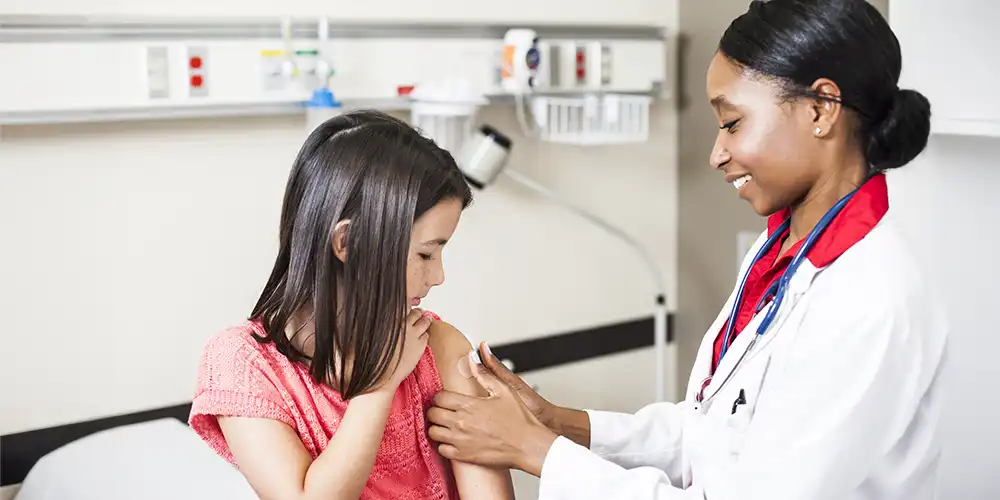
If your child needs a measles vaccine, talk to your pediatrician about routine vaccines and when an MMR vaccine should be given. If you need a measles vaccine, or think you might need a booster, talk to your primary care provider. Vaccines are also available at SSM Health pharmacy locations.
How effective is the measles vaccine?
The measles (MMR) vaccine is the only proven method to prevent measles infection. One dose of the MMR vaccine is effective up to 93% and up to 97% after a second dose.
Expert Advice from Our Blog
Do you need a measles booster?
Once vanquished, the disease is back and is rapidly spreading nationwide

Recommended childhood vaccines and preventive care by age
Routine check-ups and vaccinations are important so you can be confident your child is getting the best care possible.
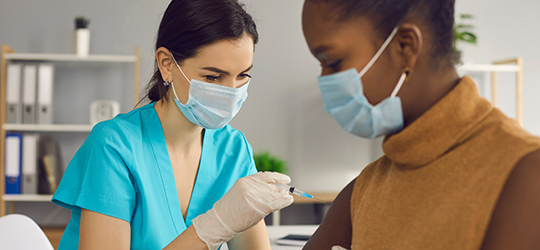
Staying on top of measles vaccination is important for both adults and kids
Recently, the Centers for Disease Control & Prevention released guidance related to protection against measles, indicating a very small uptick in the number of measles cases acquired during international travel suggests travelers should ensure they are up-to-date on their vaccinations prior to leaving the country.

Think you’ve been exposed to measles? Call first.
Arriving unannounced at the doctor’s office, ER or urgent care risks infecting others
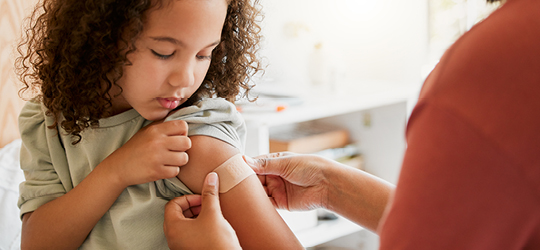
Vaccines are safe, effective, and essential
Vaccines are one of the most effective public health interventions in history, saving countless lives and preventing the spread of dangerous diseases.
Additional questions you may have about measles:
Yes. Measles is a highly contagious viral infection that can affect people of all ages, including adults.
Yes. It’s far less likely for vaccinated people to get measles and the infection will be less severe than those who are not vaccinated/non-immune.
What to do before your trip.
If you are traveling to an area with a known measles exposure, it is important that you contact your healthcare provider prior to your trip to ensure you and your family are protected against measles. Your healthcare provider will provide instructions for any additional vaccinations or protective measures.
What to do after your trip.
If you have traveled to a place with a known outbreak, watch for measles symptoms for three weeks after your return. Symptoms like runny nose, cough, fever, red and watery eyes, or a rash beginning at the crown of the head and extending down the body to the extremities may all be signs of a measles infection. If you believe that you or a family member have been infected with measles, stay home and call your healthcare provider immediately.